ASHEVILLE, N.C. (828newsNOW) — Asheville is preparing to launch a long-term effort to replace lead water service lines while also reshaping how it spends federal housing dollars, with officials weighing infrastructure needs against homelessness and housing support programs.
The changes come through two major funding sources from the U.S. Department of Housing and Urban Development: the Community Development Block Grant program and the HOME Investment Partnerships Program. Together, the city expects to receive a little more than $2 million in the coming year.
Lead pipe replacement moves to the front
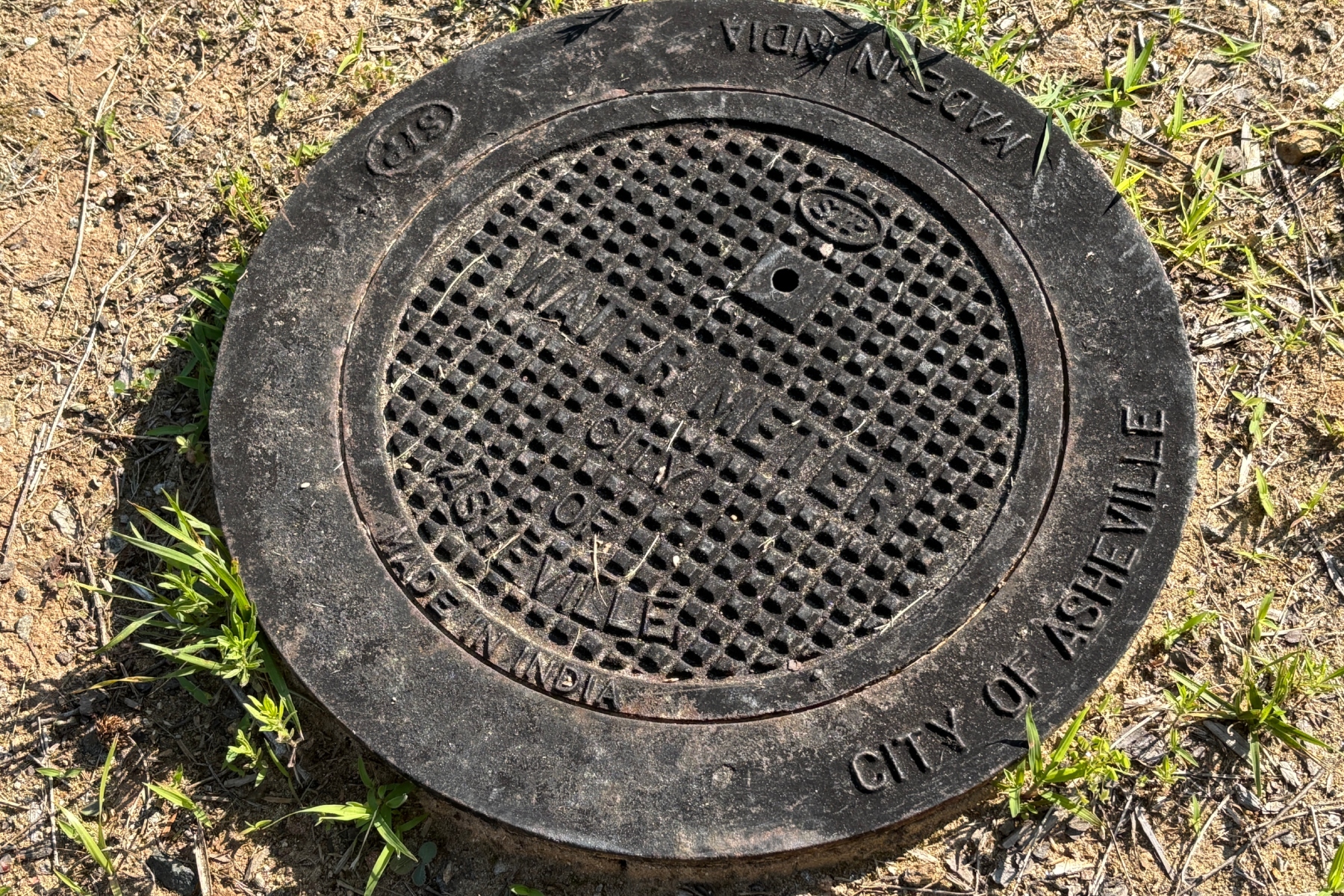
The most immediate shift is a proposed $500,000 investment to begin replacing lead service lines through the Asheville Water Resources Department.
Those lines connect water mains in the street to individual homes. City officials say the work is part of a federal requirement to identify and replace lead service lines by 2036.
The city is prioritizing households in lower-income neighborhoods, where homeowners are least likely to be able to afford the estimated $5,000-per-home cost of replacing the service line. The work would not include pipes inside homes.
Officials estimate the city’s full replacement responsibility could reach several million dollars over the next decade.
City leaders also framed the effort as a way to prevent displacement, arguing that aging infrastructure problems can create financial pressure on homeowners already struggling to stay in their homes.
Housing programs see funding reshuffling
To make room for the water infrastructure work, the city is reducing or eliminating funding for some long-standing community partners that have traditionally received annual grants.
Organizations that are not funded in this cycle include Homeward Bound, Mountain BizWorks and OnTrack Financial Education and Counseling.
Those groups have historically used CDBG funds for services ranging from homelessness support to financial counseling and small-business assistance.
At the same time, the city is continuing to fund a smaller set of housing-related services, including:
- Home repair assistance through Asheville Area Habitat for Humanity
- Rental assistance administration support through HelpMate
- Eviction prevention and legal services through Pisgah Legal Services
City staff estimates the plan will directly support about 505 households through a mix of repairs, rental help and legal aid.
Housing strategy shifts toward development
The HOME program is also being redirected this year to focus entirely on new affordable rental housing construction.
Instead of spreading funds across multiple programs, the city will use the money primarily as gap financing for larger apartment and multifamily housing projects. Those projects typically rely on multiple funding sources, including state tax credits through the North Carolina Housing Finance Agency.
City officials say the strategy is designed to speed up production of new housing units by aligning local funding with state financing timelines.
Bigger changes, long timeline
Taken together, the funding plan reflects a shift toward infrastructure and housing production over a broader set of community grants.
The city must still complete a public comment period before submitting the final plan to HUD for approval.
If approved, Asheville will begin rolling out the lead pipe replacement program while continuing to fund a narrower set of housing and legal services — and preparing for what officials say will be a decade-long infrastructure project across the city.